Repair or restore a serviceable roof
Localized defects can be repaired when the assembly is sound. Restoration also needs a dry, compatible substrate and preparation.

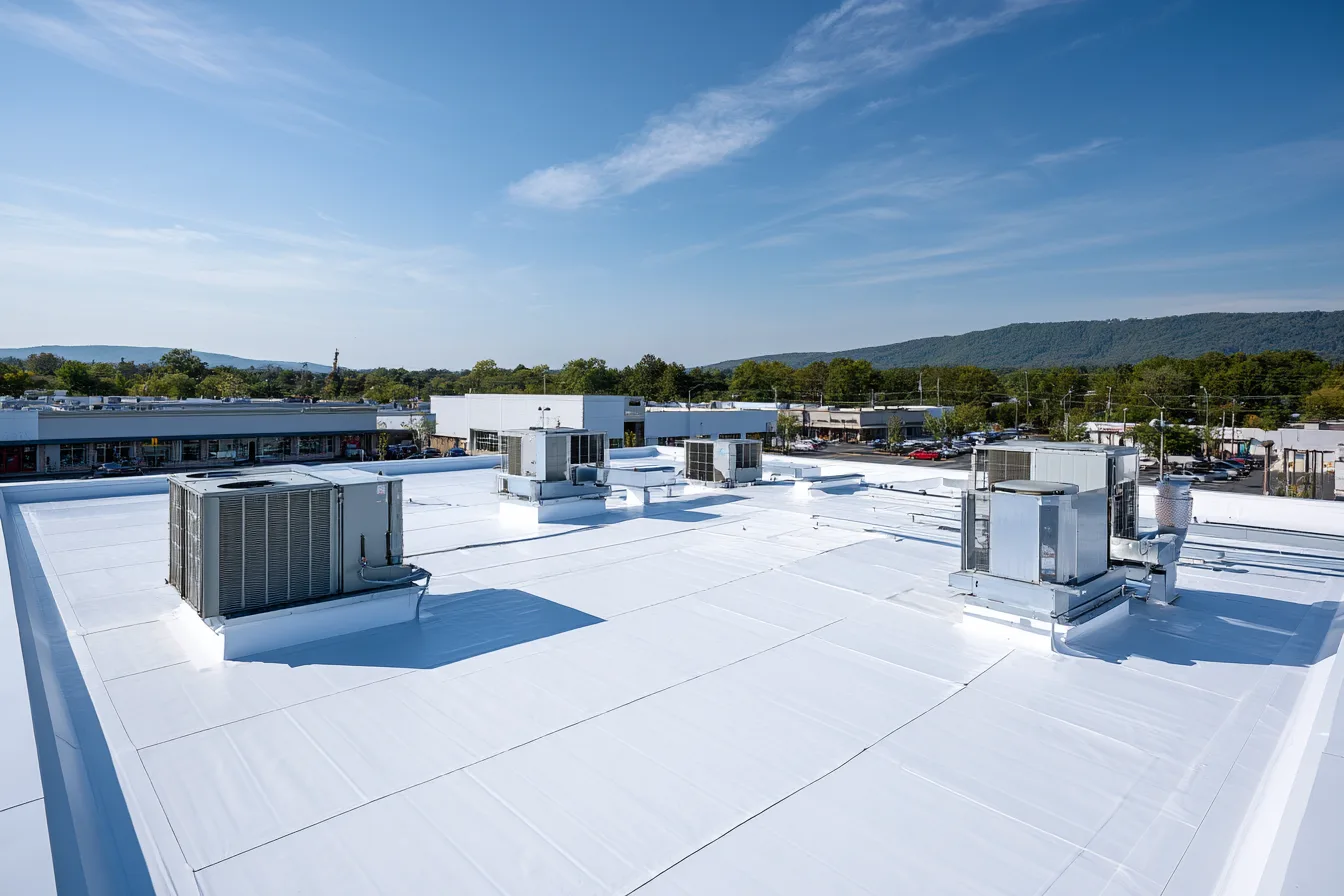
Repair, restoration and replacement decisions built around the roof system and the business beneath it.
A commercial leak can interrupt a sales area, office or storage room even when the opening on the roof is small. We look at the membrane, insulation, drainage and interruptions around equipment to understand whether localized repair will hold or the roof needs a larger project.
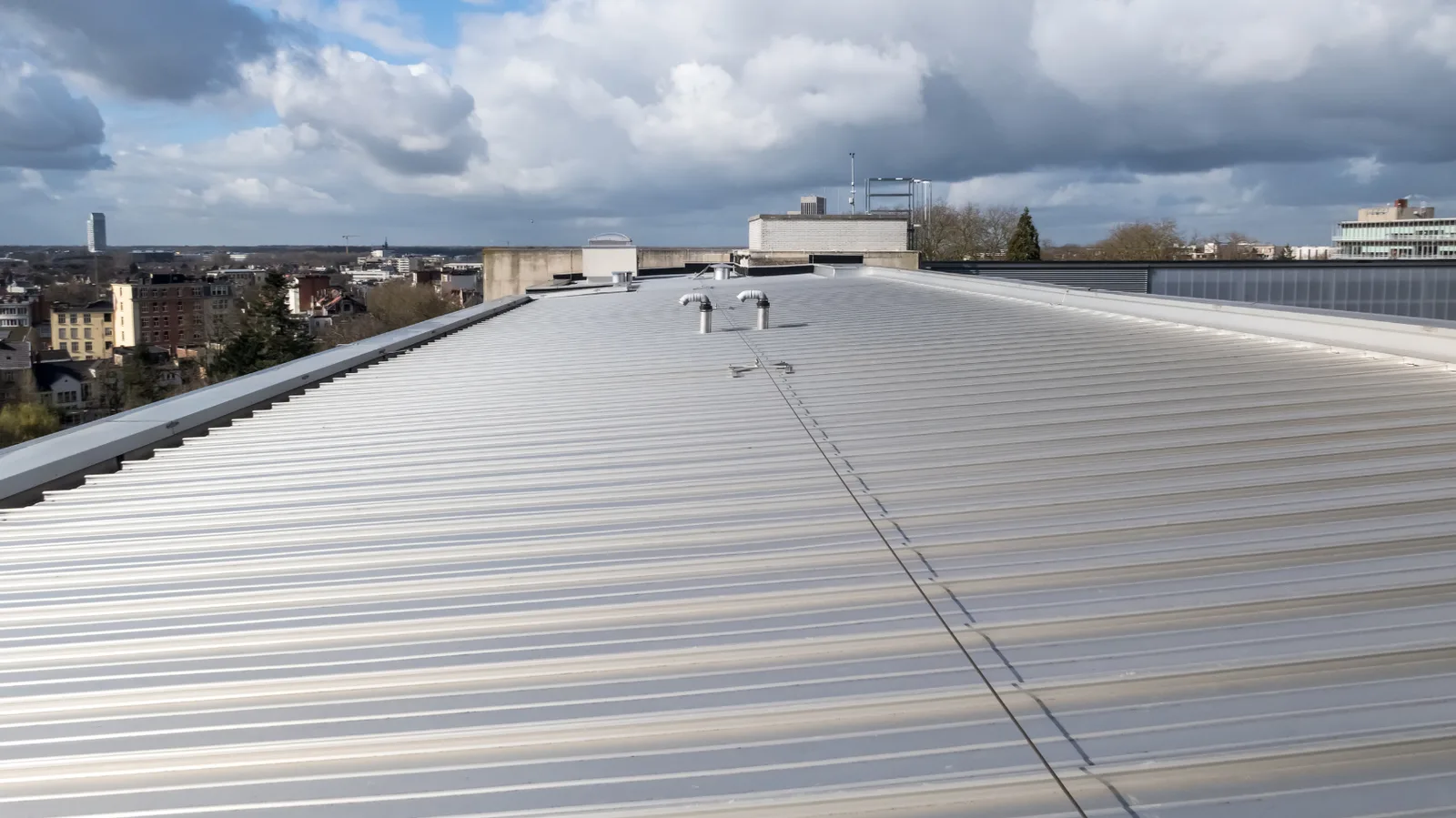
Seams join the field of a membrane roof; curbs and penetrations interrupt it. A separated seam needs a compatible repair on a clean, sound surface, while a failed equipment flashing needs the curb and termination examined. Water inside insulation can spread beyond the visible leak. The repair boundary follows the condition of the assembly, not the size of the ceiling stain.
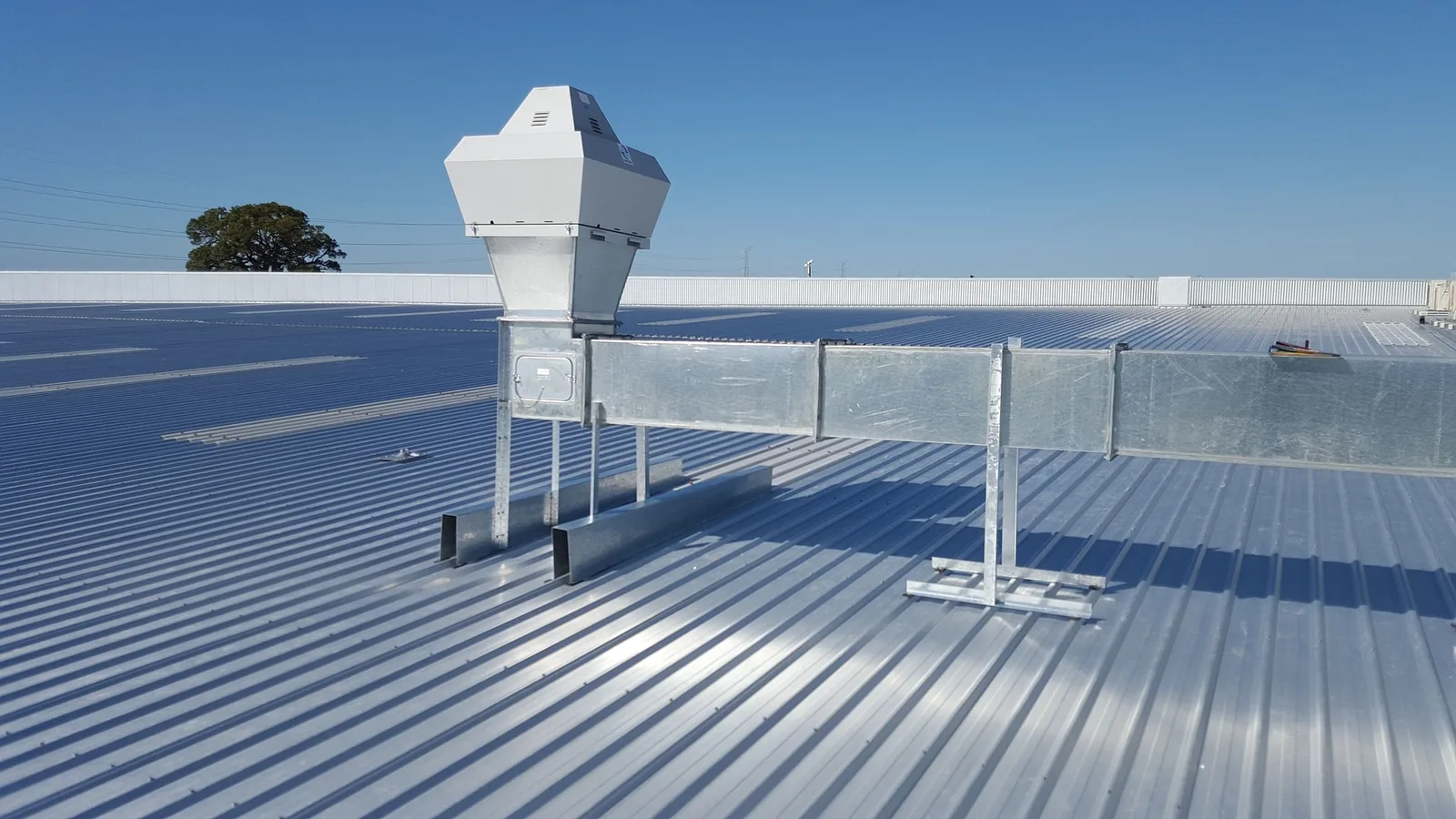
TPO uses heat-welded seams and system-specific flashing details. EPDM relies on compatible adhesives, tapes and accessories rather than the same repair method as TPO. Modified bitumen is an asphalt-based multi-layer assembly whose laps, terminations and surface need matching repair materials. A coating is a restoration option only when the existing roof can support it. These systems need their own assessment before one is selected.
Heat-welded seams and membrane-compatible flashing.
Rubber membrane with compatible bonding, tapes and accessories.
Asphalt-based sheets whose laps and surface require matching work.
Restoration after the existing substrate is found dry and suitable.
A blocked outlet can back water over details that ordinarily shed it. Poor slope or a low area can leave water standing even when drains are clear. Inspection looks at drains, scuppers, overflow paths and roof deflection alongside the membrane. A new surface alone does not correct a drainage design problem, and a coating cannot dry wet insulation below it.
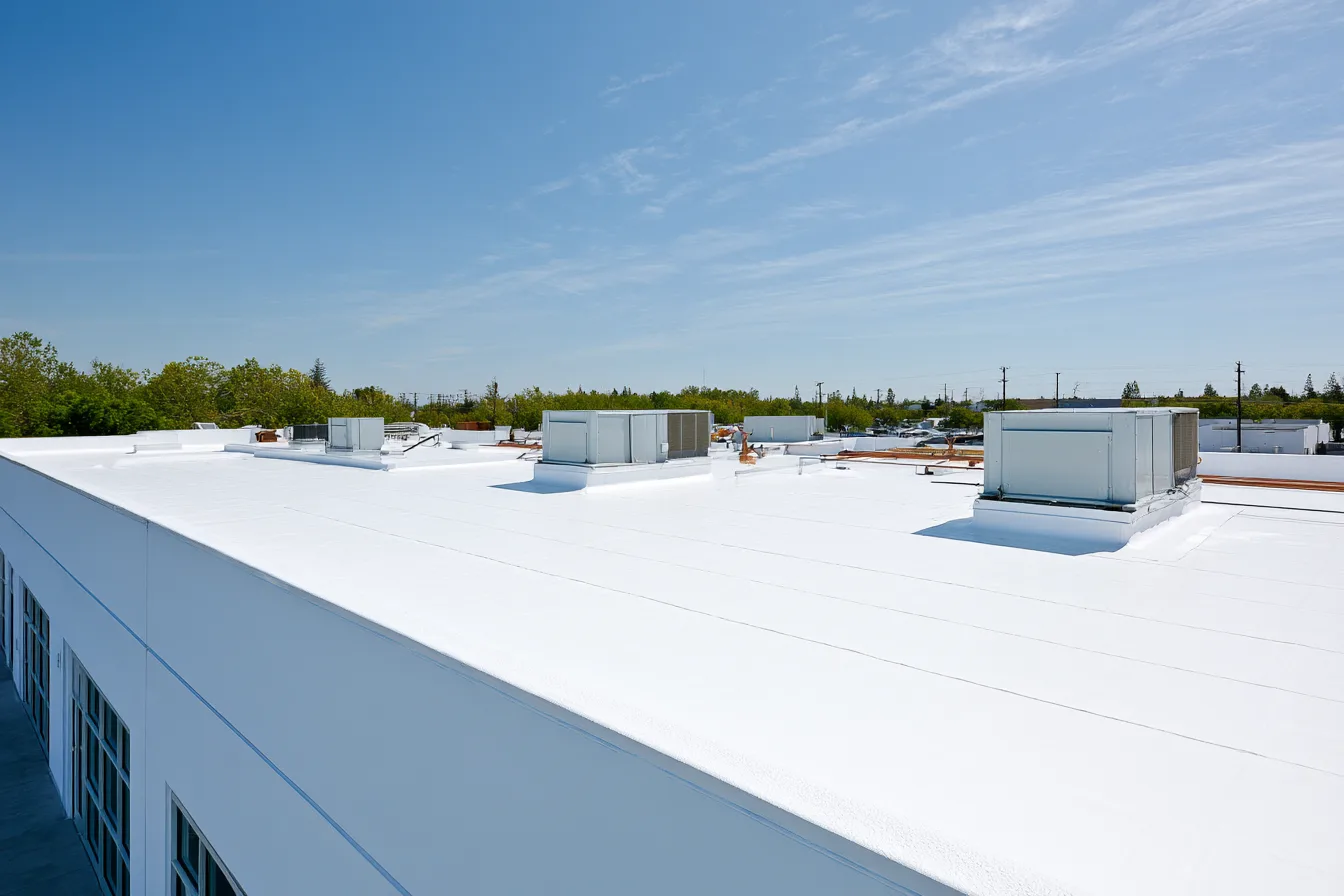
Localized damage in a sound, dry assembly supports targeted repair. A suitable, dry existing surface may support restoration after preparation and detail repairs. Saturated insulation, failed substrate, widespread attachment problems or unsuitable layers can require removal and replacement. Recover suitability depends on the actual assembly and local requirements. The commercial permit fee follows value of work, rather than the residential fixed roof-permit figure.
Localized defects can be repaired when the assembly is sound. Restoration also needs a dry, compatible substrate and preparation.
Saturated insulation, failed substrate or unsuitable existing layers can require removal so the new assembly has a sound foundation.
Roof access, loading, customer entrances and rooftop equipment affect the work sequence. Interior protection, odors and work near air intakes deserve attention before work starts. Equipment changes need coordination so new penetrations do not undermine completed roofing. A maintenance plan then follows the actual system, keeping outlets and vulnerable details in view without assuming one interval fits every building.
Roof access, loading, entrances, air intakes and equipment changes shape the work plan.
The contractor plans the work around the building’s actual operations and interior needs.
Keep outlets and vulnerable details in view using the system and condition to guide maintenance.
Roof area is only one part of the budget. Insulation condition, deck repairs, attachment, edge metal, drainage corrections, rooftop equipment and occupied-space constraints add different work. Residential asphalt rates do not price a commercial membrane project. An inspection and system-specific scope are the useful next step.
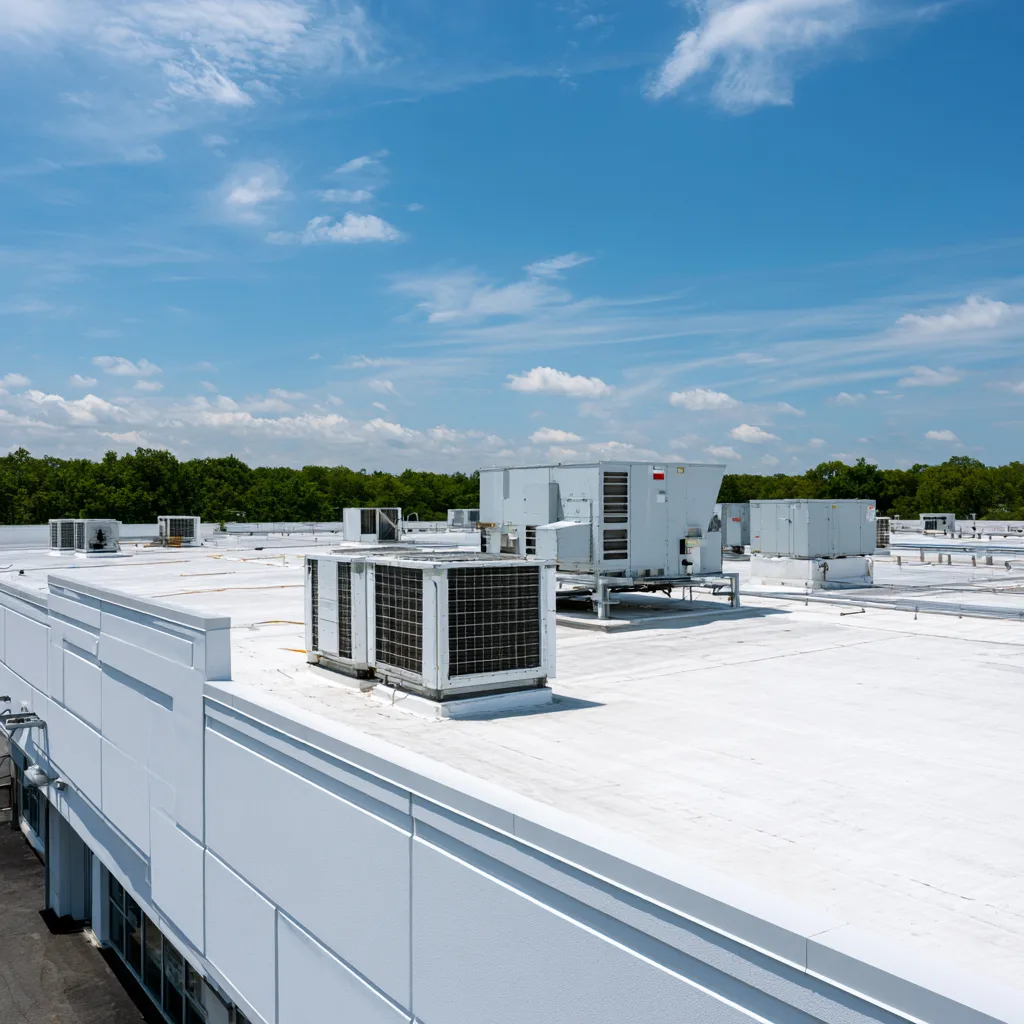
Explore how each assembly changes the repair and replacement decision.
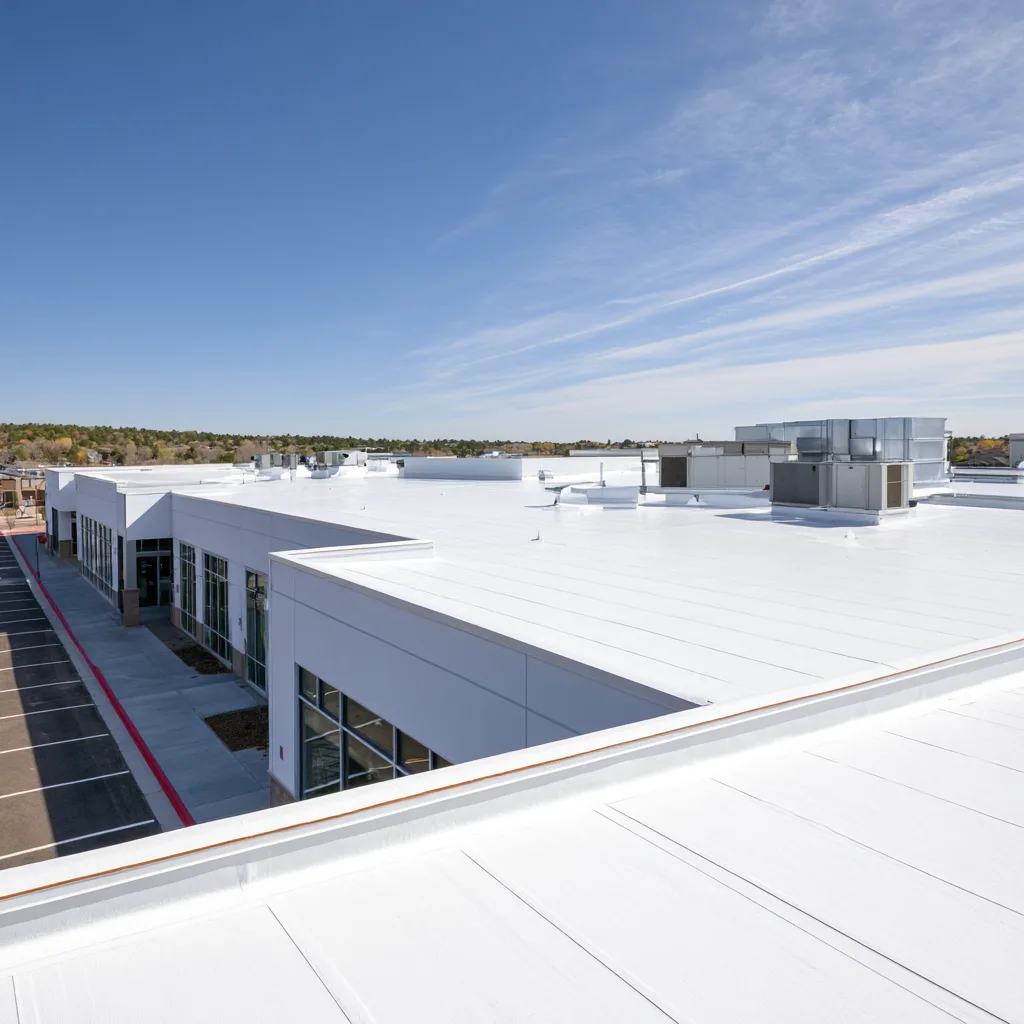
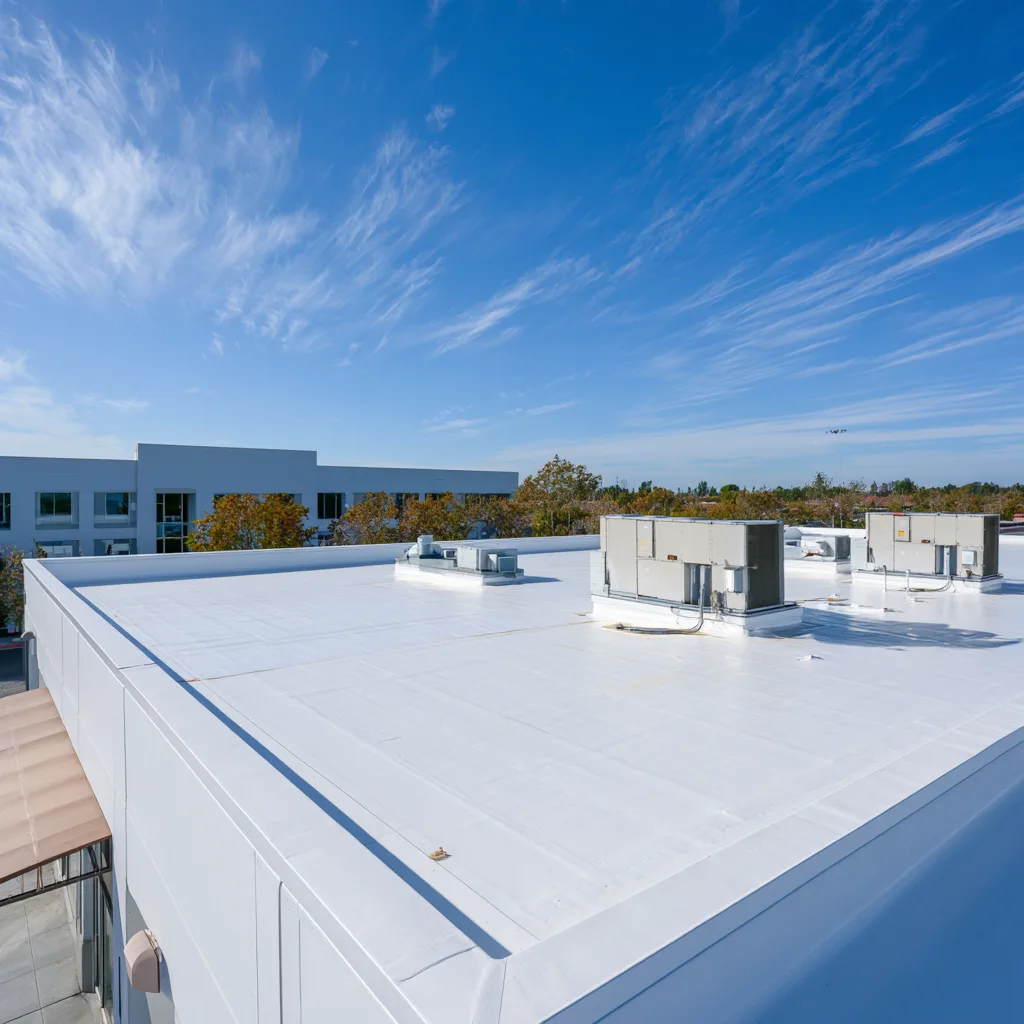
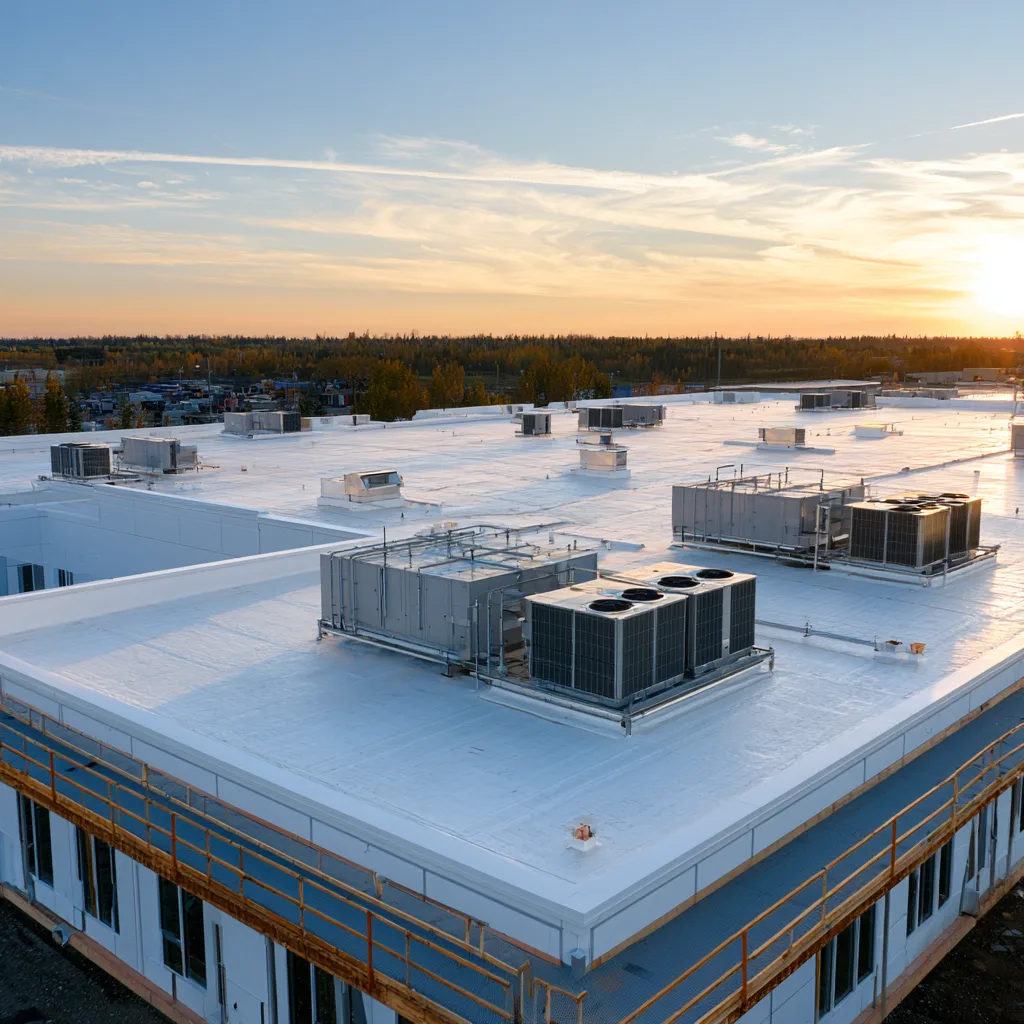
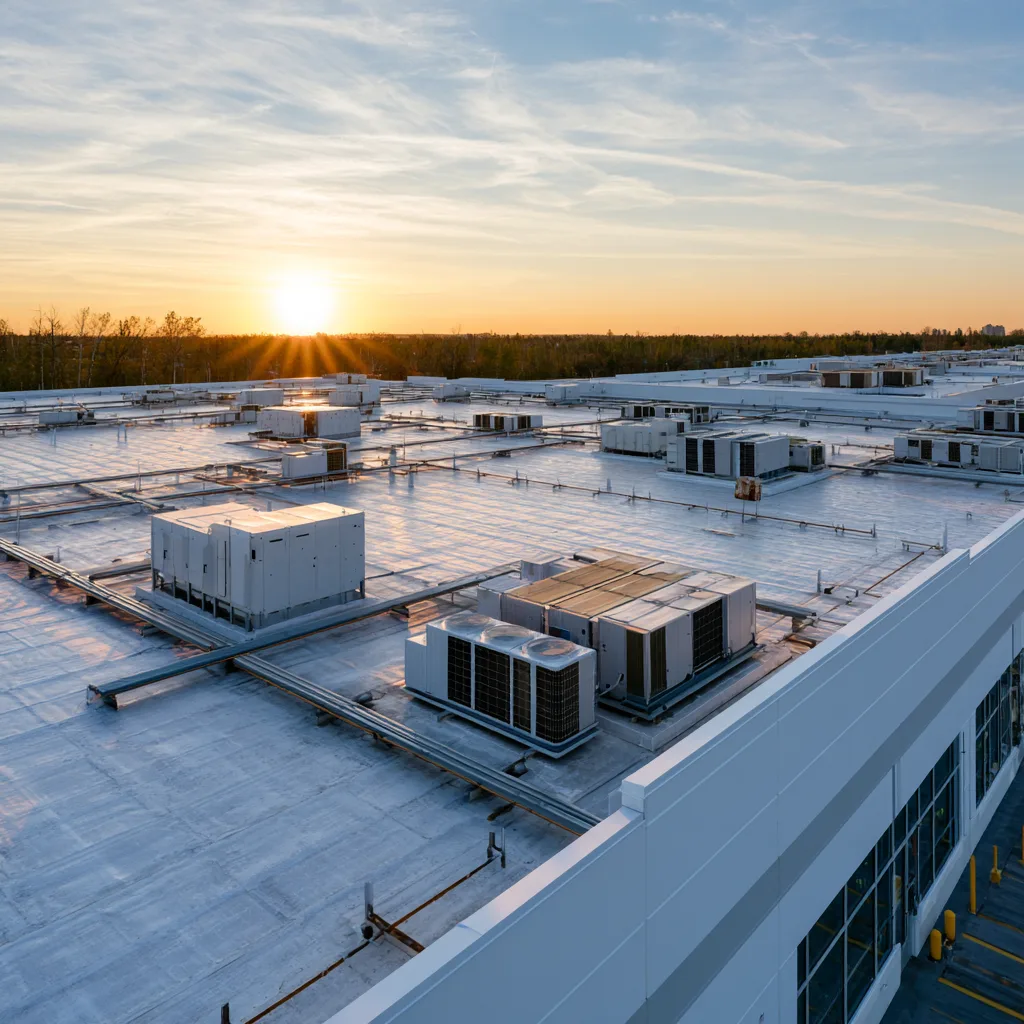
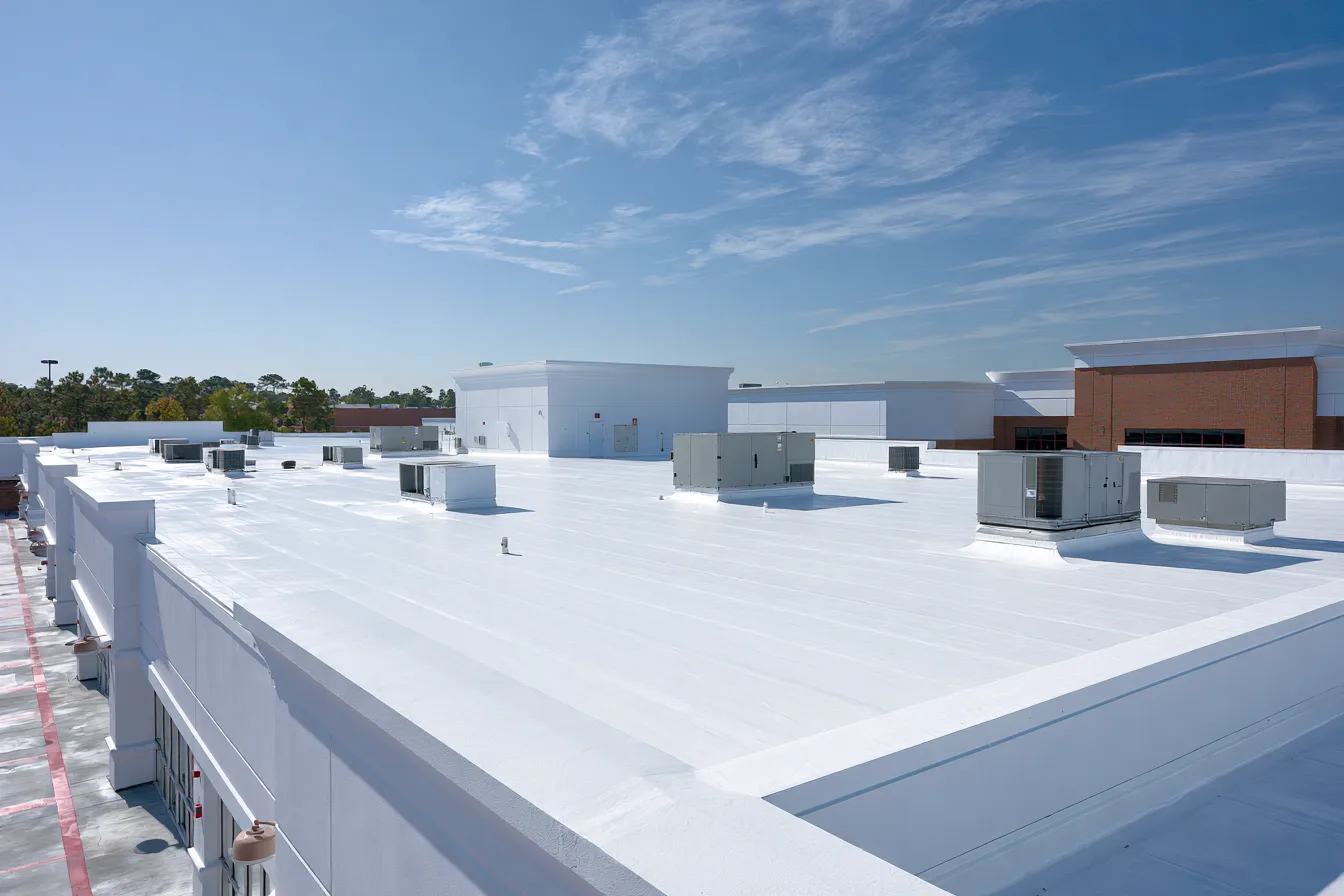
Drains, details and a usable record of roof condition.
Explore commercial maintenanceStart with the property and what you noticed. Request a free inspection or call (913) 354-8142.