Roof work
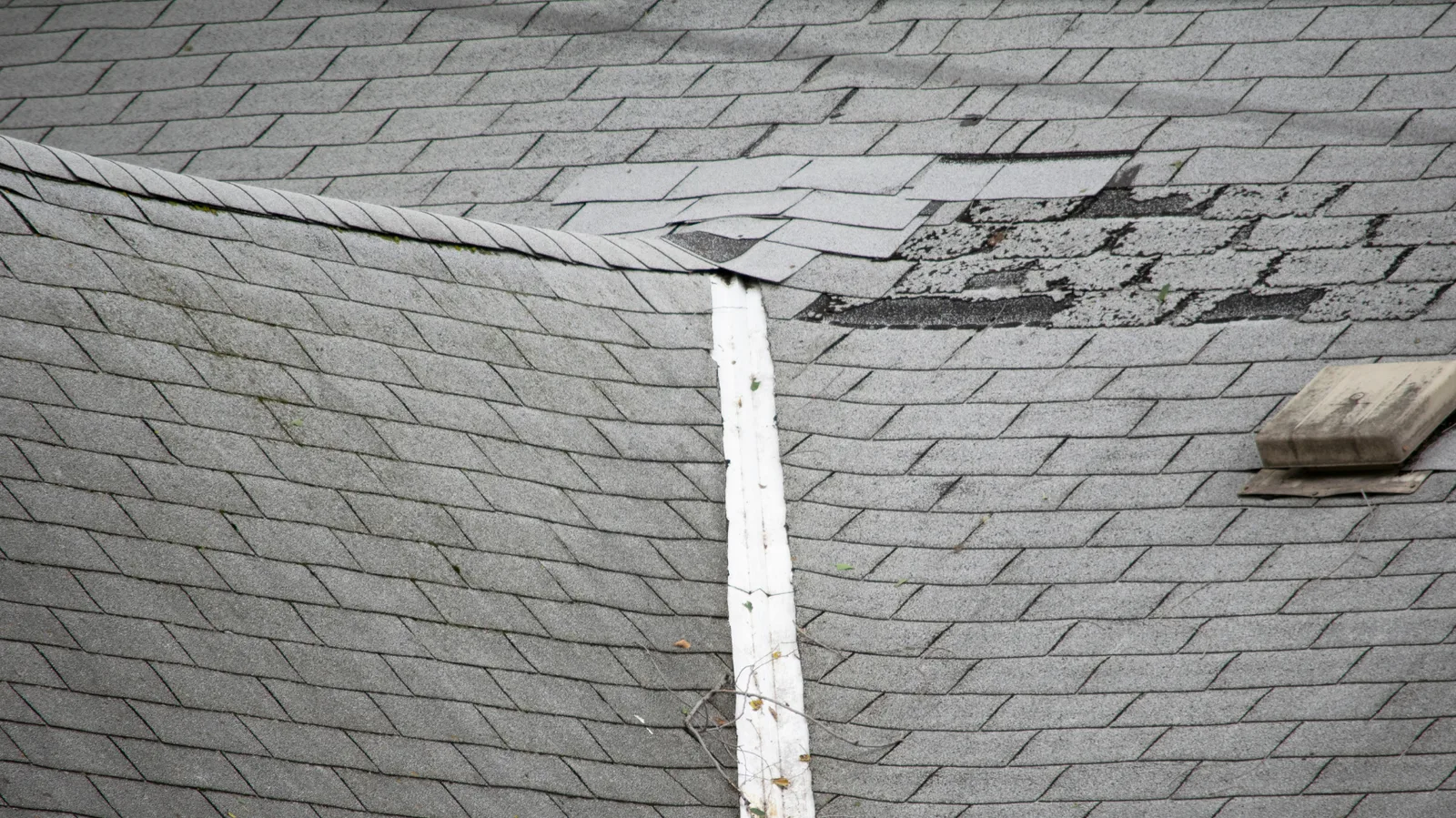
The covering, deck, flashing and surrounding condition determine whether repair can connect to sound material or a larger scope is needed.

Understand why the construction decision and the coverage decision follow different questions.
A roofer explains what is damaged and what work can repair it. The insurer applies the policy to the loss. A permit threshold, nearby hail report or replacement recommendation does not by itself establish coverage or payment.
Keep the physical work clear while the policy is reviewed.
The covering, deck, flashing and surrounding condition determine whether repair can connect to sound material or a larger scope is needed.
Covered causes, exclusions, deductibles, limits and the claim facts determine what the insurer pays. The actual policy controls.
A deductible is the part of a covered loss assigned to the policyholder. Replacement-cost and actual-cash-value coverage treat depreciation differently. Some policies allow recoverable depreciation after qualifying work and documentation; others settle on a different basis. Read the insurer’s actual decision and policy terms.
The policyholder’s share under the applicable policy terms.
An allowance for age or condition in the settlement calculation.
Additional documented scope submitted for insurer review, with no approval promised.
Give accurate facts without guessing the date or cause of every mark.
Tell the roofer what changed and whether water is entering. Safe photos and existing records can help when they are readily available.
Observed damage, current condition and repair compatibility inform the construction scope.
Report and document the claim according to the policy and insurer’s instructions. Coverage and payment remain the insurer’s decision.
Use Kansas Insurance Department consumer information for policy and claim questions. It is a separate resource from arranging roof work.
Home insurance and consumer assistance information.
Start with the property and what you noticed. Request a free inspection or call (913) 354-8142.