Roof water entry
Failed covering, flashing or penetrations can allow rain into the assembly. The repair follows the actual leak path.

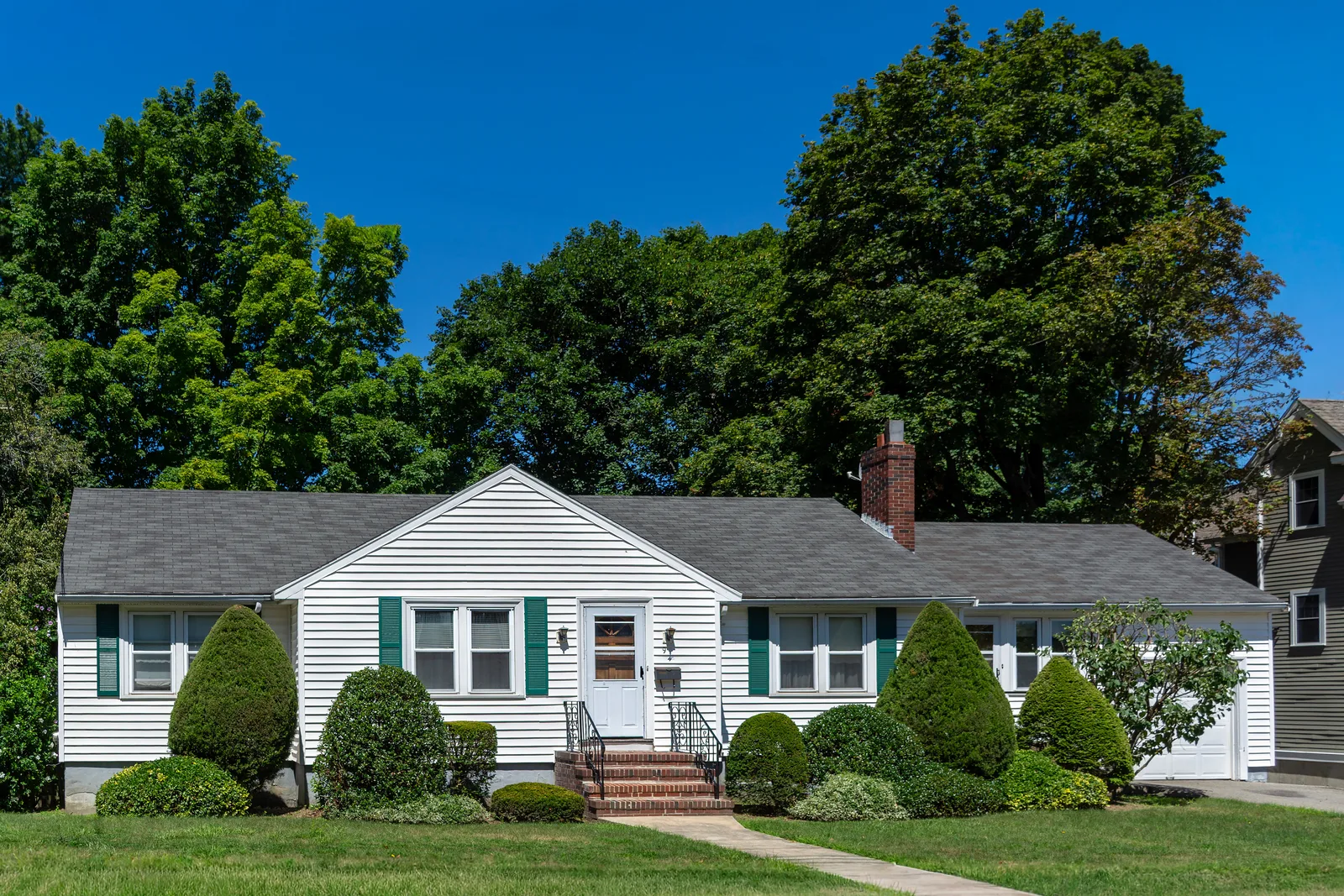
Understand airflow, interior moisture and why more vents alone do not solve every problem.
A balanced roof ventilation path admits air at the lower roof and releases it higher up. Blocked intake or a short-circuited path can prevent that flow. Indoor moisture, air leaks and a roof leak are separate possible sources of dampness.
Exhaust needs an available intake path. Adding outlets without considering soffits, blocked channels and the existing vent layout can leave the intended airflow incomplete. Roof shape and the actual assembly determine a suitable arrangement.
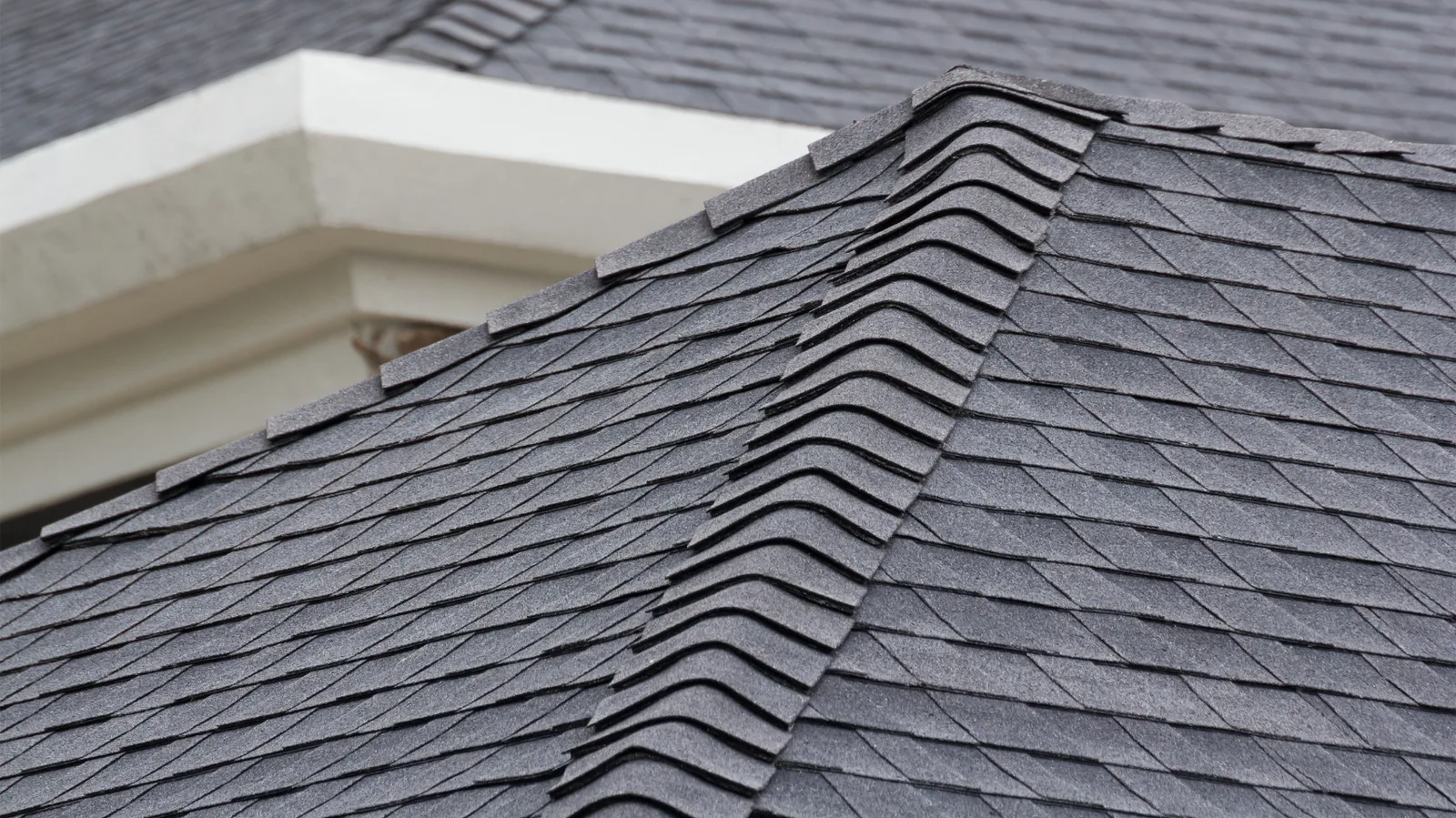
Not every wet surface is rain through the shingles.
Failed covering, flashing or penetrations can allow rain into the assembly. The repair follows the actual leak path.
Moist indoor air and gaps into the roof space can contribute to condensation. Air sealing, insulation and ventilation need to be considered together.
A reroof is a useful time to understand the existing intake and exhaust arrangement while the roof assembly is being renewed.
The actual intake and exhaust path, including blocked or interrupted areas.
How vents and penetrations connect to the protective layers.
Whether visible dampness points to a leak, condensation or more than one issue.
Start with the property and what you noticed. Request a free inspection or call (913) 354-8142.