Protect the opening
A temporary covering limits further water entry where safe and suitable. It is not a new roof or a completed repair.

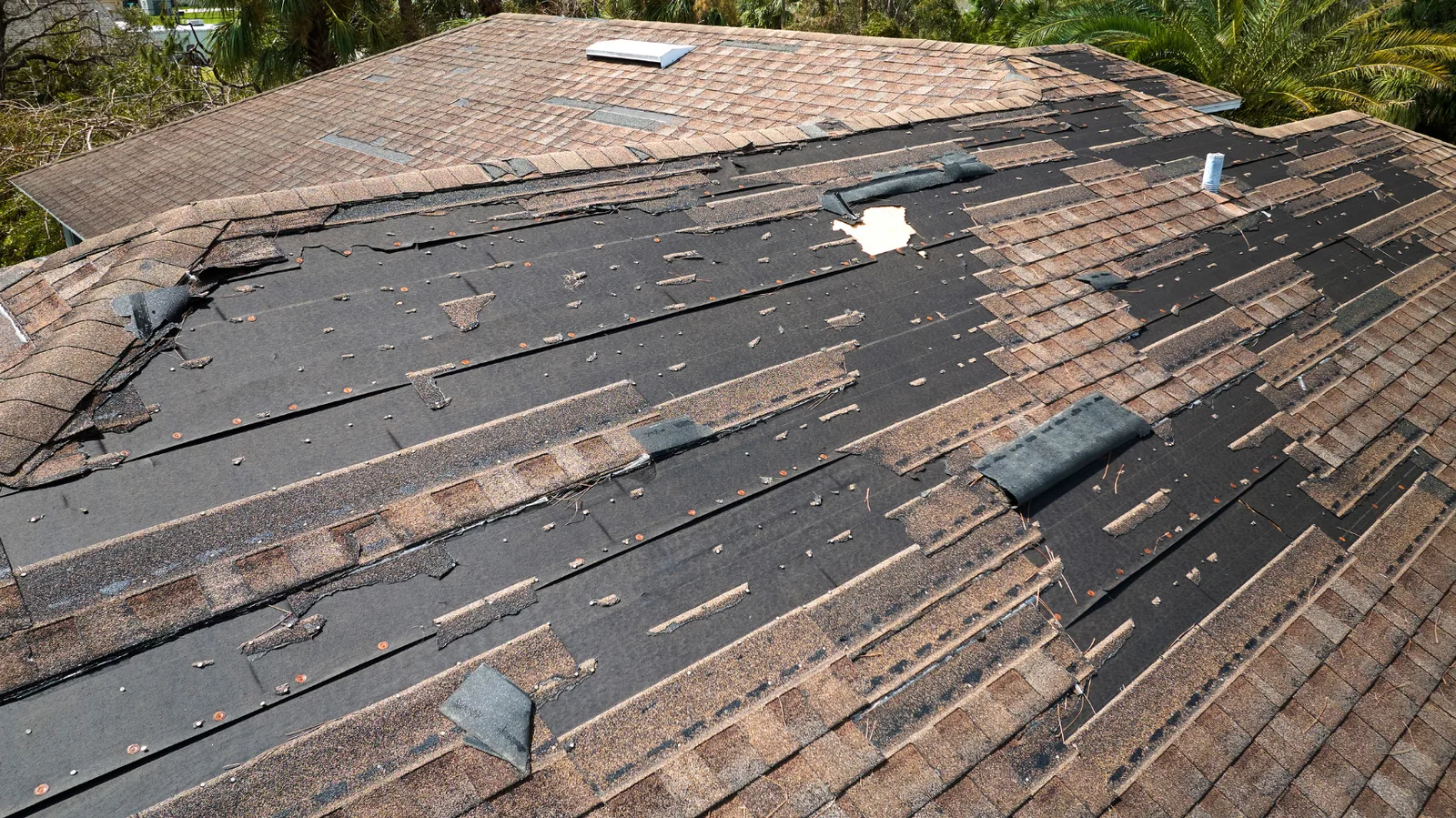
A practical path from the noticed problem to a roof assessment.
A wind or hail concern is a reason to inspect the roof, not a conclusion that it needs replacement. Start with safety and the actual condition at the property. An active leak, damaged covering and an insurance question each need their own answer.
You can tell us the property address and what changed; a roofer handles the roof access.
Stay clear of downed lines, wet electrical fixtures and sagging ceilings. Do not climb a wet or damaged roof.
An active opening changes the immediate conversation about safe temporary protection.
The inspection checks covering and transitions, then considers repair compatibility and the size of the permanent work.
Weather reports describe observations at a place and time. A roof’s actual damage depends on what happened at that property and the assembly’s condition. Do not assume a neighbor’s new roof or a reported hail size proves the same damage at your address.
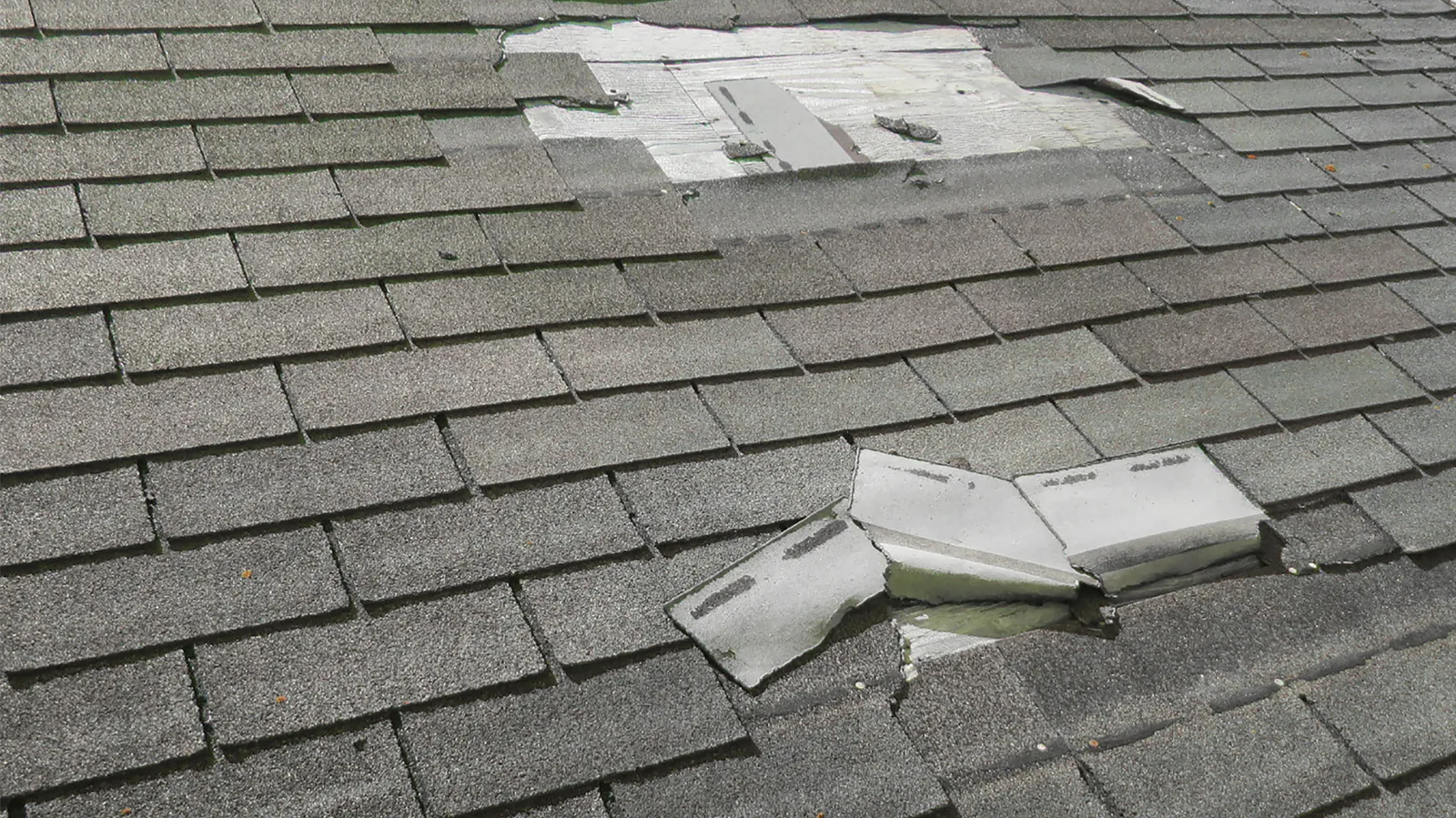
These serve different jobs.
A temporary covering limits further water entry where safe and suitable. It is not a new roof or a completed repair.
The final work reconnects covering, protective layers and flashing to sound material. Concealed damage can change the scope.
Start with the property and what you noticed. Request a free inspection or call (913) 354-8142.